An Invitation to Feel Bali Through Different Ways of Being
by Queen
Bali is rarely experienced in just one way. For some, it begins with the ocean. Mornings on the sand, salt in the air, and long afternoons beneath tropical skies. For others, Bali is found among rice terraces and jungle paths, in the scent of incense outside a temple or in the quiet that settles after a morning meditation.
There is also another Bali. Creative, energetic, social, and constantly evolving. A place of restaurants, design, art, movement, and people arriving from every corner of the world. All of these versions can exist at once. Yet beneath them lies something quieter and far older. A relationship with the sacred that continues to shape the rhythm of the island.
To understand Bali beyond what we first see is to begin noticing this relationship.
An Island That Can Be Many Things
Bali has an extraordinary ability to meet people differently.
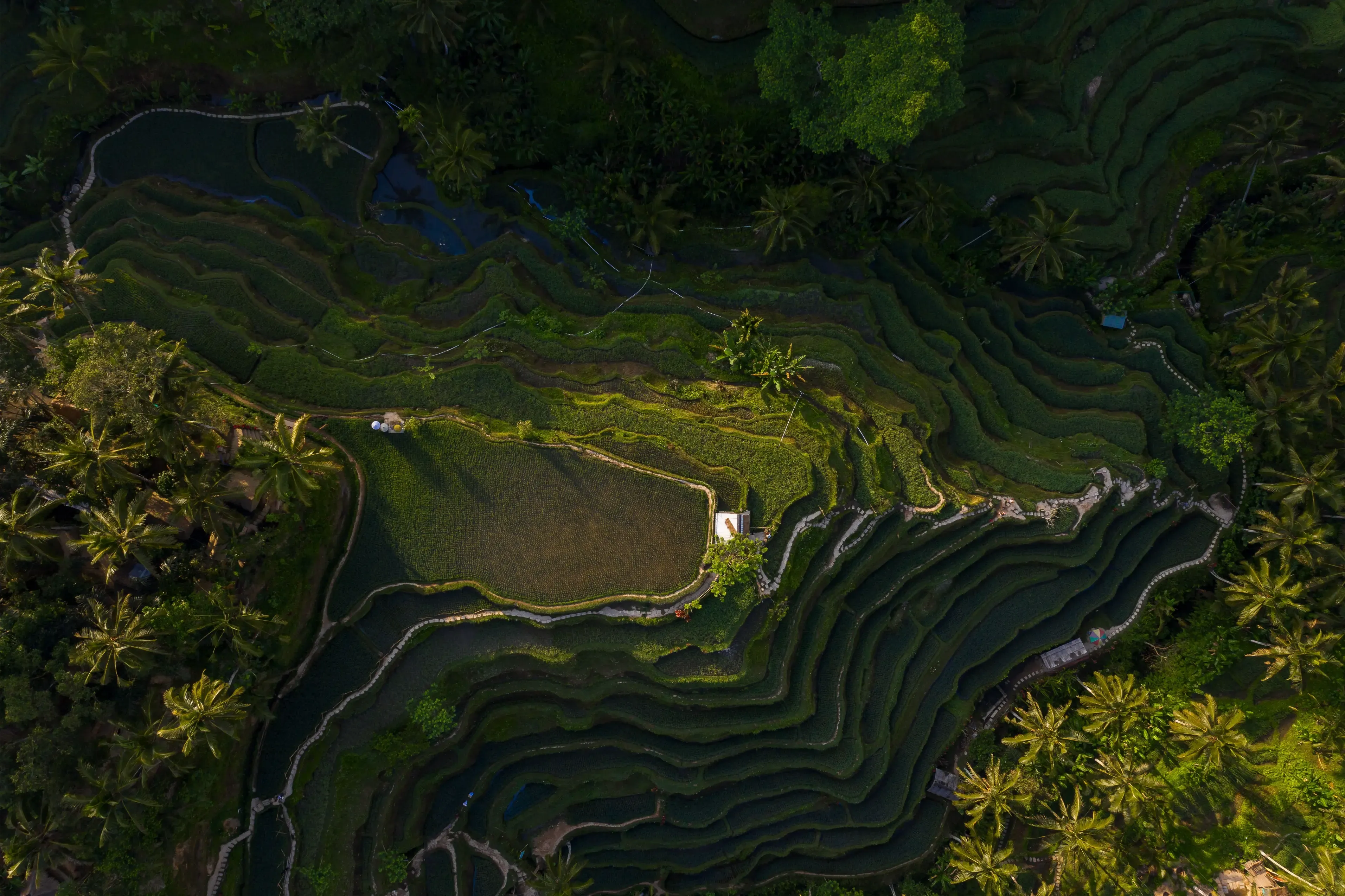
Seminyak can feel cosmopolitan and expressive, where contemporary Bali unfolds through design, dining, boutiques, and evenings filled with energy. Travel inland toward Ubud and the atmosphere changes. Rice fields replace the coastline. Jungle valleys appear between villages. Temples, family compounds, art, ceremony, and nature seem to exist more visibly beside everyday life.
Then there are places such as Umalas, tucked between some of Bali's livelier areas yet carrying a slower residential rhythm of their own.
None represents the entire island. Bali is not only spiritual, just as it is not only tropical, artistic, social, or serene.
Perhaps its beauty lies precisely here. The island does not ask to be defined by a single experience. What connects its many identities is a deeply rooted understanding that life exists through relationships: with something greater than ourselves, with one another, and with the natural world. This idea finds expression in the Balinese philosophy of Tri Hita Karana.
Tri Hita Karana: Three Paths Toward Harmony
Tri Hita Karana can be understood as the three causes of well-being or harmony. Rather than viewing happiness as something created individually, the philosophy recognizes balance as the result of three essential relationships.
Parahyangan: Our Relationship With The Divine
The sacred is visible throughout Bali, but often in the smallest details.
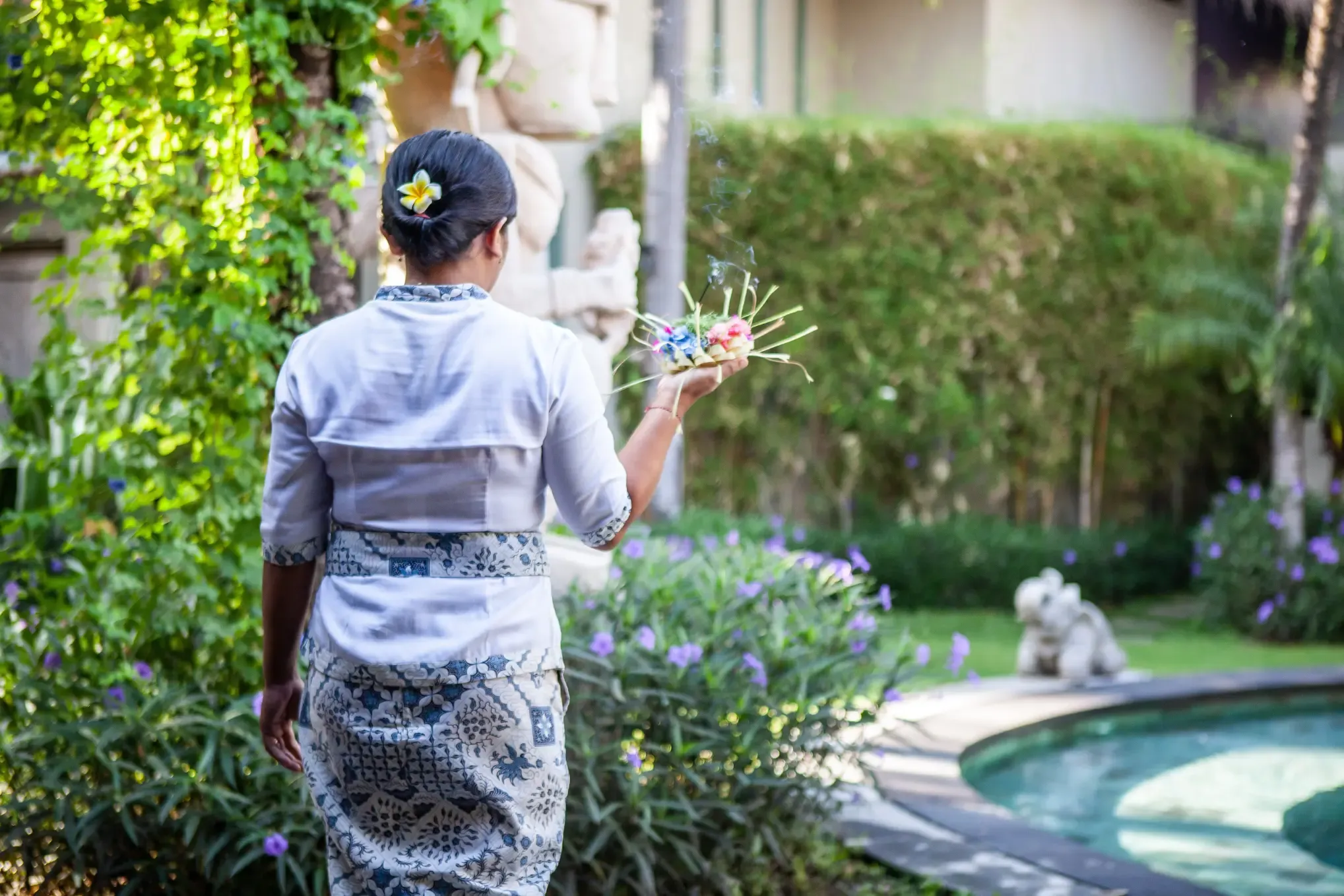
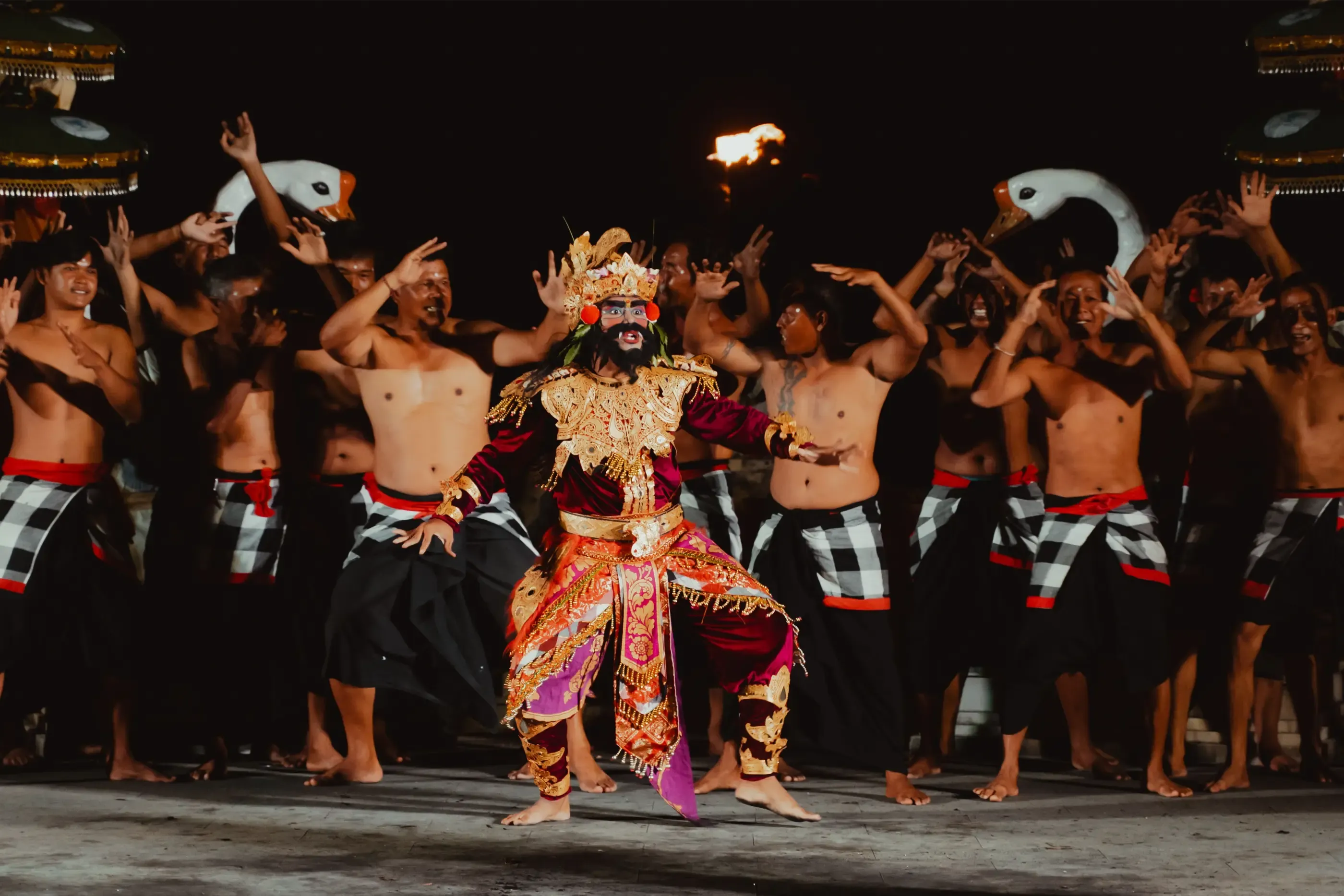
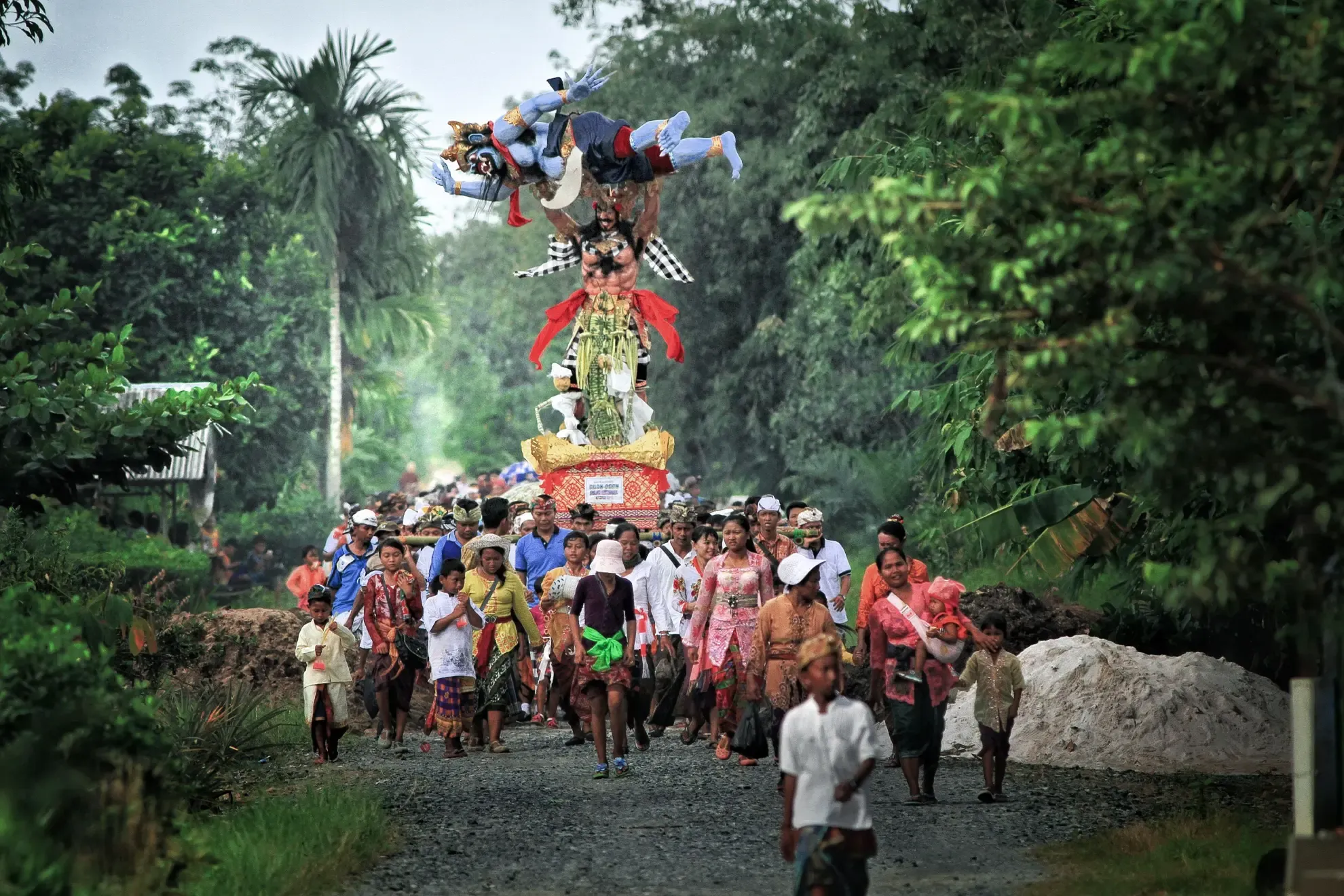
Morning offerings appear outside homes and shops. Incense drifts through quiet streets. Temple ceremonies briefly transform villages with flowers, textiles, music, and prayer. These moments are not simply cultural performances. They are part of an ongoing relationship between daily life and the spiritual world.
Parahyangan speaks to this connection with the divine. It reminds us that life can contain space for reverence, gratitude, and something beyond what is immediately visible.
For a visitor, understanding every ritual is not necessary. Sometimes it begins simply by noticing. The offering beside a doorway. The sound of a bell from a nearby temple. A procession passing through the road. Bali gently reveals that the sacred does not always need to be separated from the everyday. It can live within it.
Pawongan: Our Relationship With One Another
Bali is equally shaped by community.
Behind many ceremonies, temples, villages, and traditions is a strong culture of participation and shared responsibility. Pawongan represents harmony between people. It is found in cooperation, family connections, hospitality, and the idea that individual well-being exists within a wider social world.
For travelers, this dimension of Bali is often felt through human encounters. A conversation that lasts longer than expected. Someone sharing the meaning behind a local tradition. A familiar greeting each morning. A meal served with genuine attention.
These exchanges may appear simple, yet they can become some of the memories that remain long after a journey ends.
Palemahan: Our Relationship With Nature
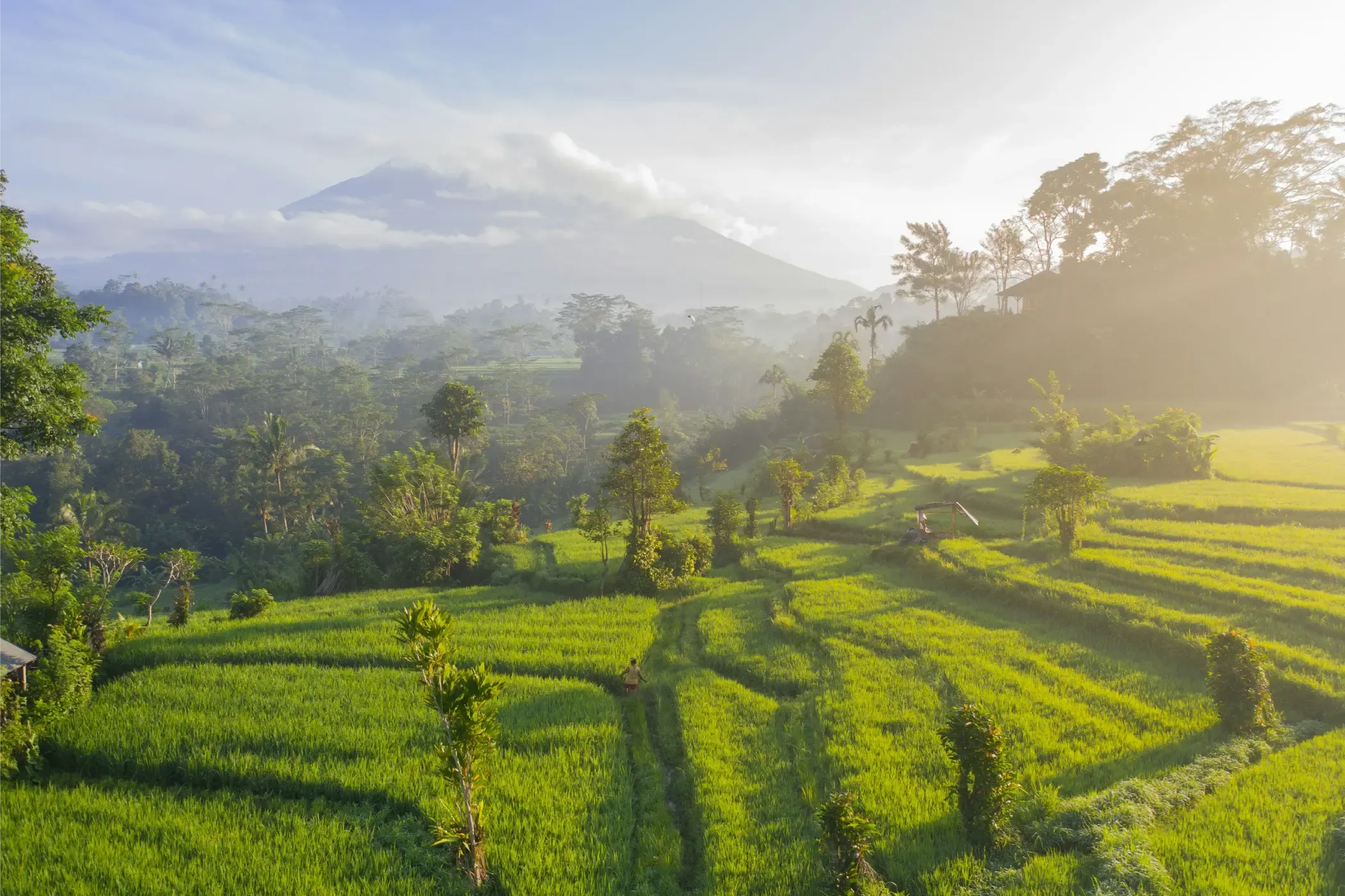
Then there is the landscape. Volcanoes rising beyond rice fields. Rivers moving through dense valleys. Coconut palms bending toward the coast. Tropical gardens growing almost faster than they can be tended.
Palemahan describes harmony between people and the natural environment.
In Bali, nature is not merely scenery around human life. It has traditionally been intertwined with agriculture, spirituality, architecture, food, and community. This relationship is perhaps most easily felt when we allow ourselves to slow down.
Walking barefoot through a garden. Watching rain move across the rice fields. Listening to birds before the island fully wakes. Nature has a way of bringing attention back to the present.
The Sacred Does Not Require Bali To Stand Still
There can be a temptation to imagine sacred places as untouched places. But Bali has never remained completely still.
The island evolves. New communities arrive. Neighborhoods change. Creativity flourishes. Traditions meet contemporary lifestyles. Quiet villages can exist only a short drive from energetic restaurants, surf culture, galleries, and modern architecture. Sacredness and change are not necessarily opposites. What matters is the awareness we bring to that change.
Tri Hita Karana offers a meaningful lens through which to consider this balance. How do we maintain respect for the spiritual? How do we care for the people around us? How do we remain responsible toward the environment that sustains us?
Perhaps these questions are part of what makes the philosophy feel so relevant, not only for Bali but for anyone searching for a more considered way of living and traveling.
Finding Connection With Blue Karma Secrets
In Blue Karma Secrets, our philosophy centers on connection: with nature, with others, and with yourself. While distinct from Tri Hita Karana, both share a sense of harmony and awareness.
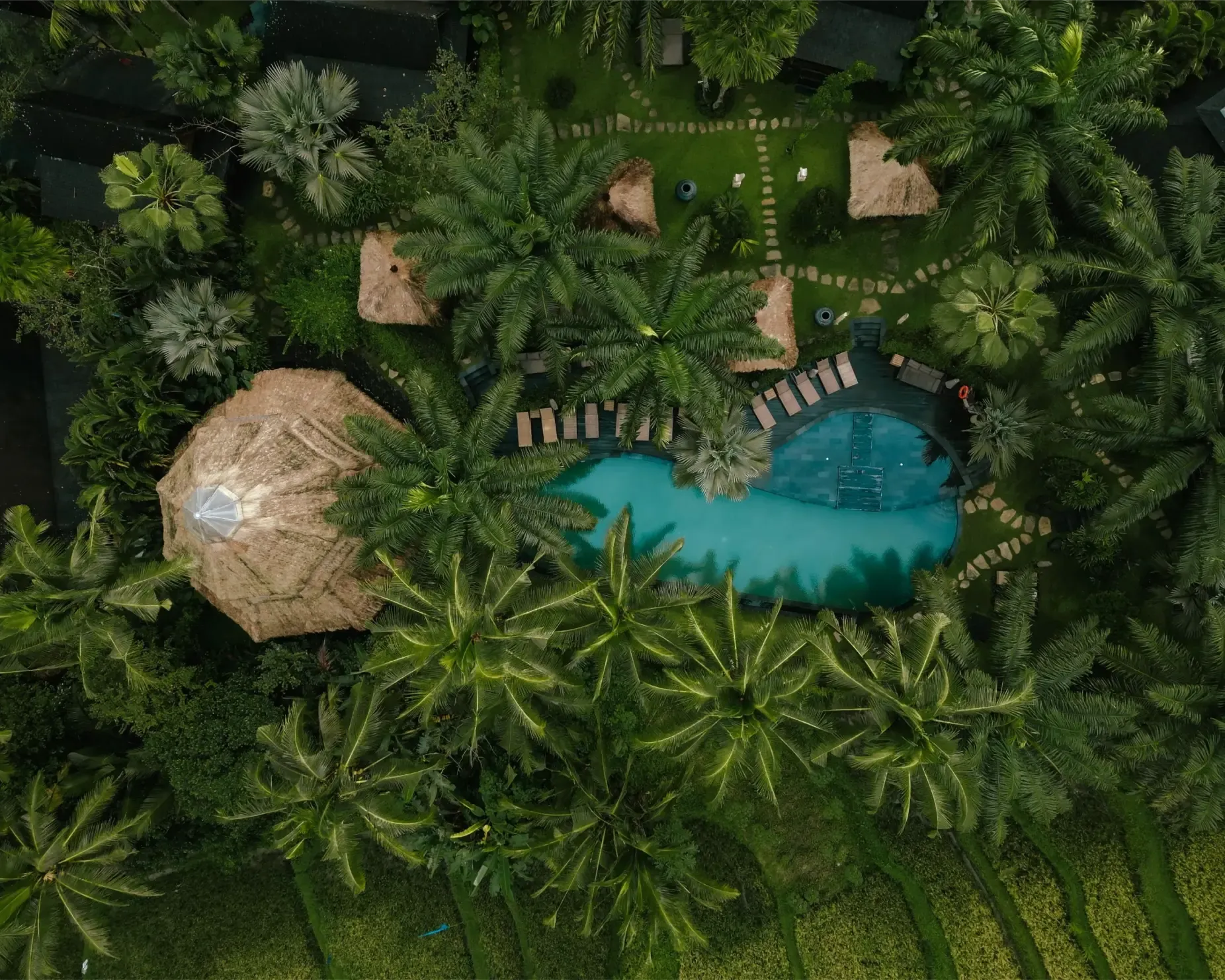
Each sanctuary reveals a different side of Bali. Blue Karma Dijiwa Ubud invites reflection among rice fields and tropical greenery. Blue Karma Dijiwa Seminyak balances stillness with creativity and coastal energy, also expressed through the Blue Karma Creative Hub, where art, ideas, and connection come together. Blue Karma Village offers another rhythm through traditional Joglo architecture, peaceful gardens, and the quieter atmosphere of Umalas.
Three places, three ways of experiencing Bali, connected by one intention: to create space for deeper connection.
Bali can be many things at once: spiritual, creative, vibrant, peaceful. And somewhere between exploring and slowing down, you may discover a version of the island that feels entirely your own.